
Whiskers in the Wild: Bobcats
Written by Maisie Zampikos and Lilith Alanna
While taking a stroll down the Karankawa trail, I often hear rustling in the brush beyond the path. In most cases, it’s a squirrel, a cardinal, or maybe even an armadillo rooting around in the soil. Bobcats are present in the forest of Armand Bayou as well, and some guests over the past few months have mentioned seeing them.
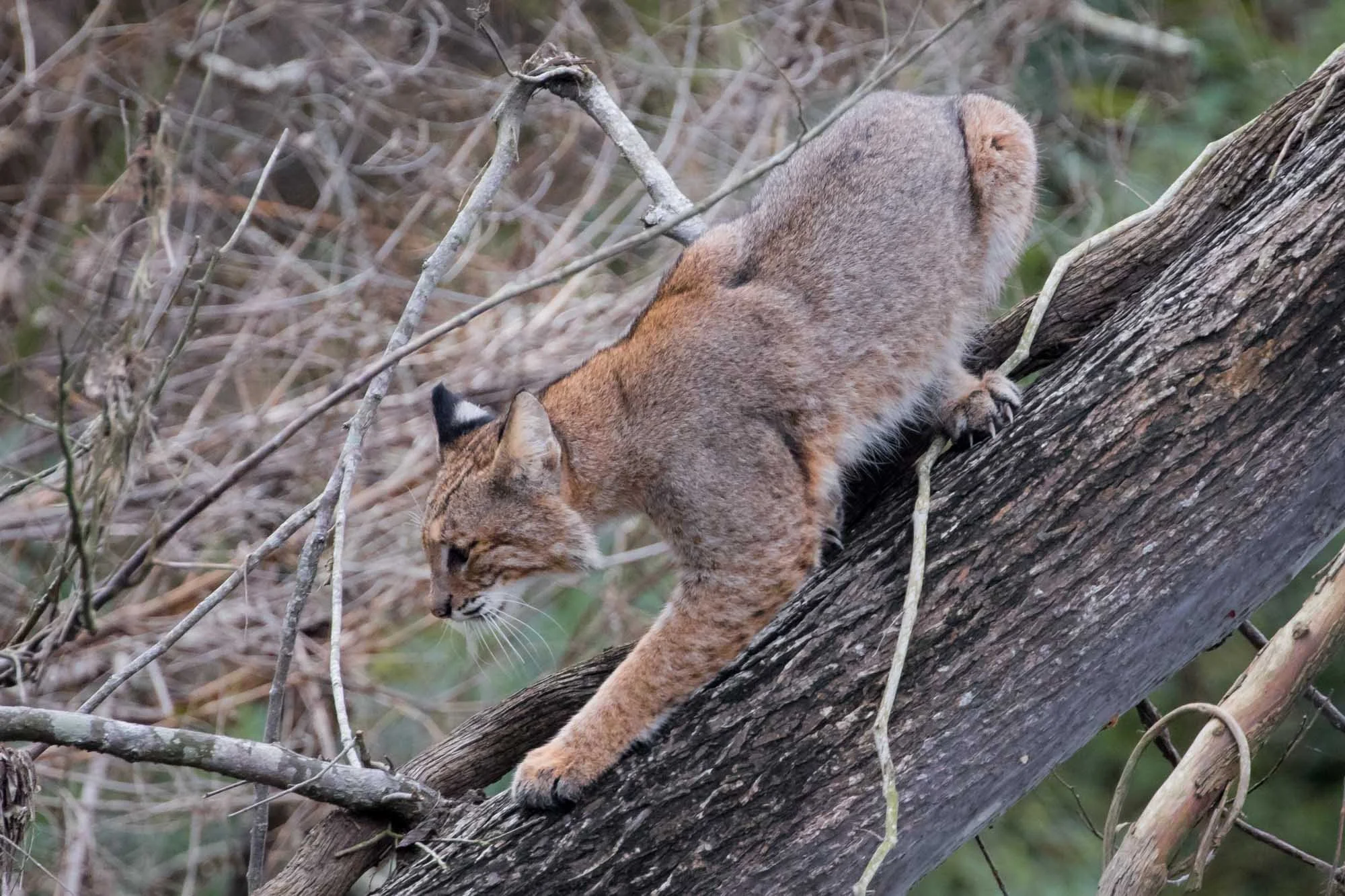
Photo Courtesy of Gary Seloff
Characteristics and Behavior
Of the four native Texas felids, the bobcat is the only one native to Armand Bayou. Bobcats are a species of lynx, so like their Canadian and Eurasian cousins, they have short bobbed tails, long legs, big paws, and ruffs of fur along their faces, giving them that wide-headed look. Bobcats can be up to 50 inches in length, and usually sport a tannish brown coat with black streaks and spots. This coloration is perfect for camouflage in the Texas forests. Armand Bayou bobcats are elusive, spending most of their time during the day resting in their dens. Similar to a house cat, bobcats are crepuscular, meaning they are most active during dawn and dusk. Bobcats will typically prey on birds and small mammals, with their main prey source being cottontail rabbits.
Ecological Role Across Bayou, Prairie, and Forest Habitats
Beyond their stealth and hunting habits, bobcats fulfill a particularly important role in ABNC’s coastal tallgrass prairie, riparian forest, and bayou habitats. Their fierce hunting skills lend themselves greatly to all three ecosystems because of their immense adaptability. Within the cross-section of these habitats at Armand Bayou Nature Center, bobcats function as essential predators through their hunting and behavior.
Prey Control and the Sanitation Effect
The most significant impact bobcats have on the environment is their capacity to curb overpopulation by eating fast-breeding prey animals like rabbits, rats, and voles. In addition, they create a “sanitation” effect on prey populations. Because they often target sick or weak animals, the strong and healthy survivors are left to repopulate, passing stronger, healthier genes to future generations. This also limits the spread of disease by removing carriers quickly, both lowering local infection numbers and leaving fewer carriers spread farther apart.
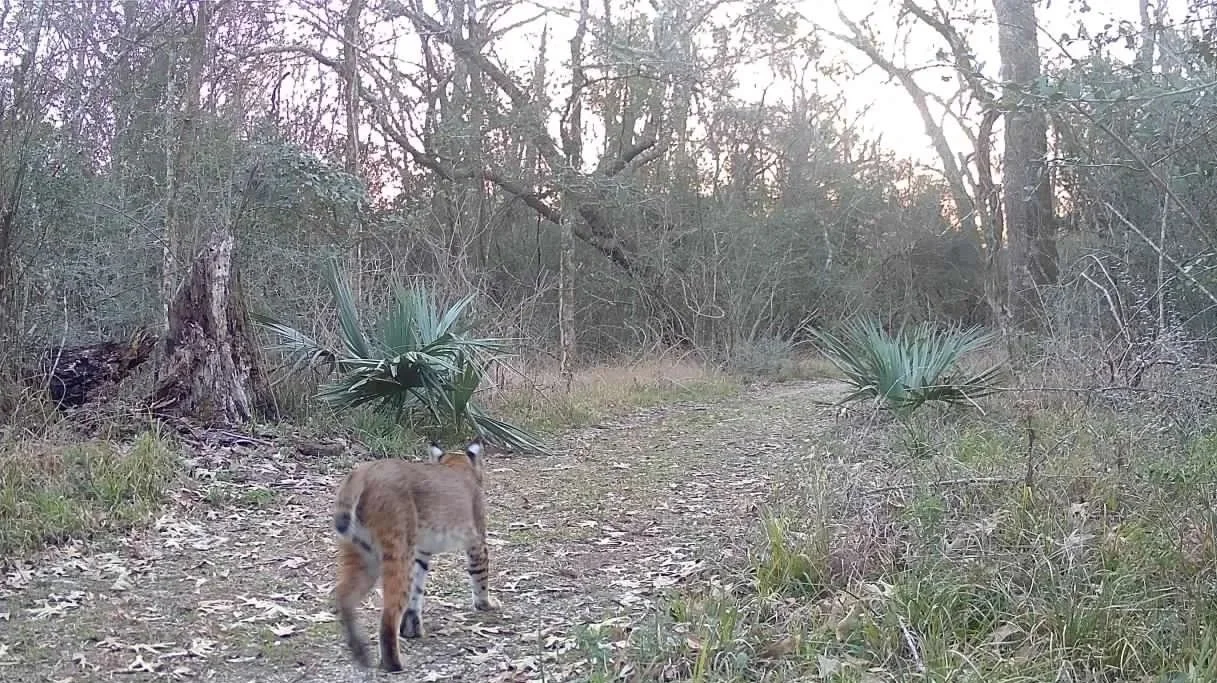
ABNC Trail Cam Footage